Question 15
Draw, wherever possible, a rough sketch of:
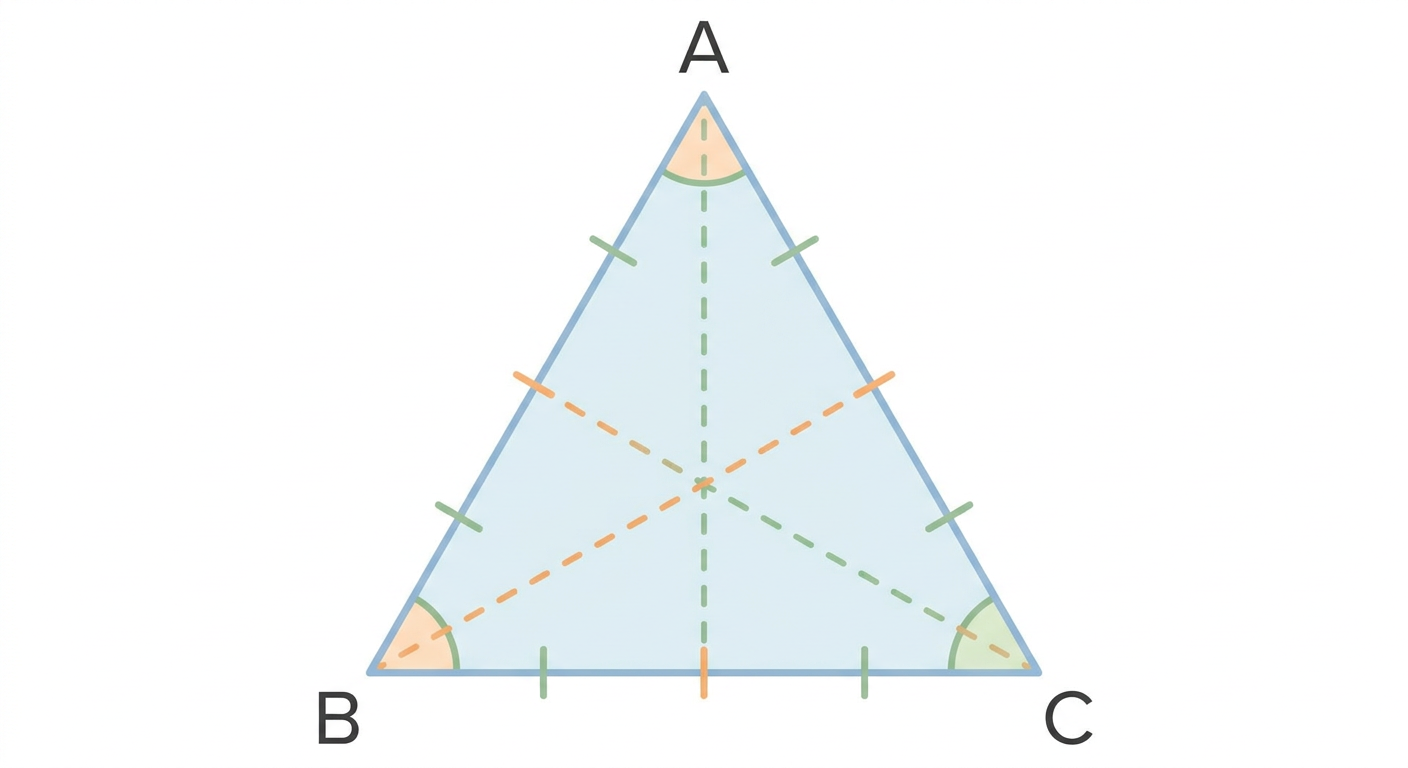
a. A triangle with at least two lines of symmetry and at least two angles of symmetry.
b. A triangle with only one line of symmetry but not having rotational symmetry.
c. A quadrilateral with rotational symmetry but no reflection symmetry.
d. A quadrilateral with reflection symmetry but not having rotational symmetry.
We will draw different shapes based on their symmetry rules.
Step 1 — Triangle with many symmetries
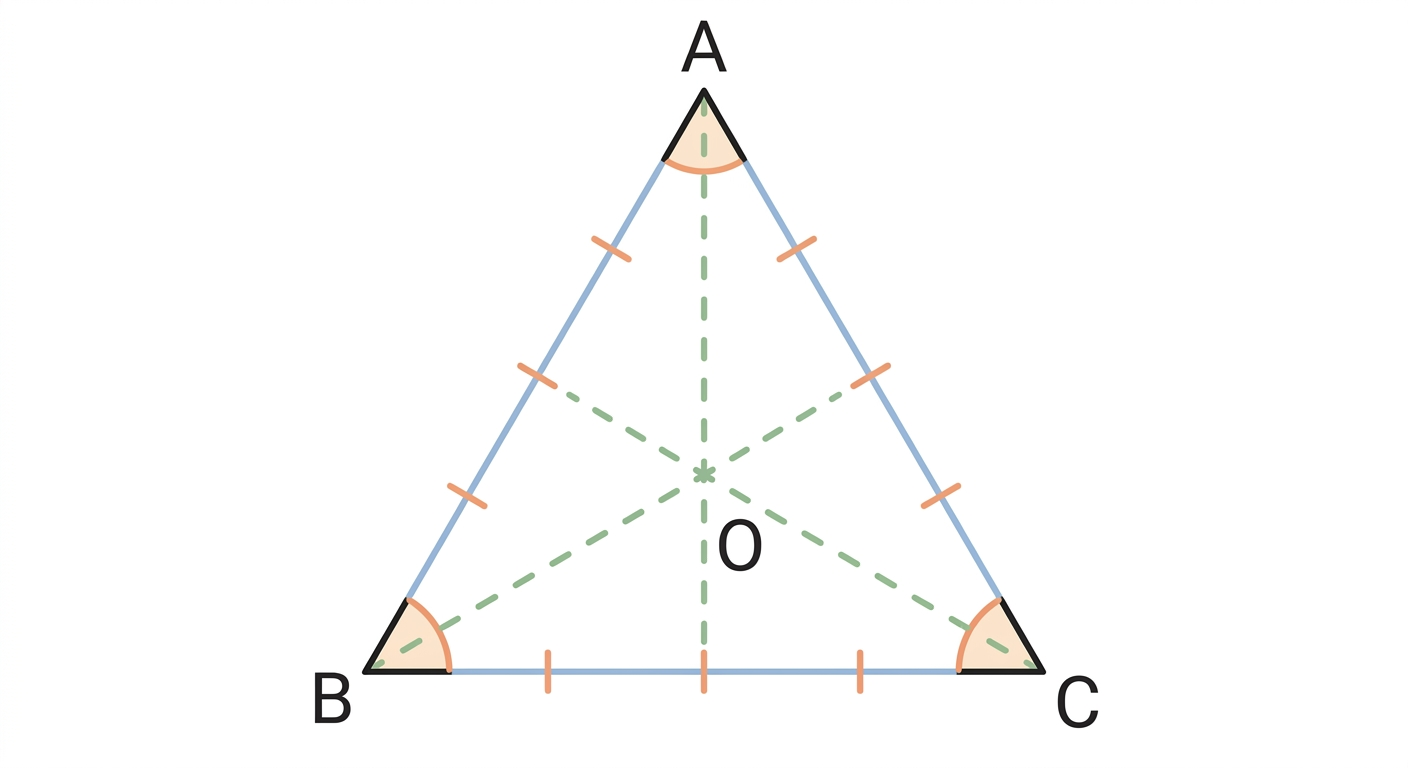
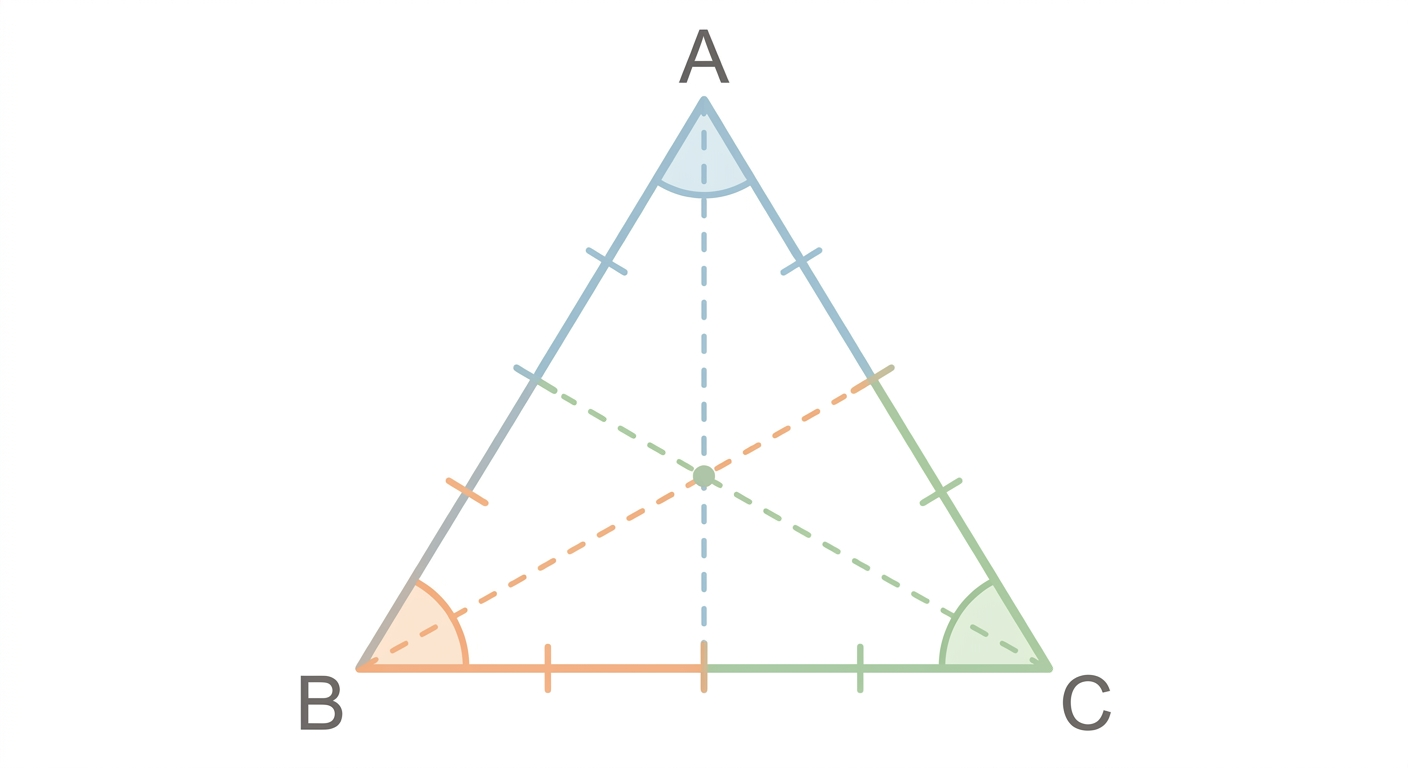
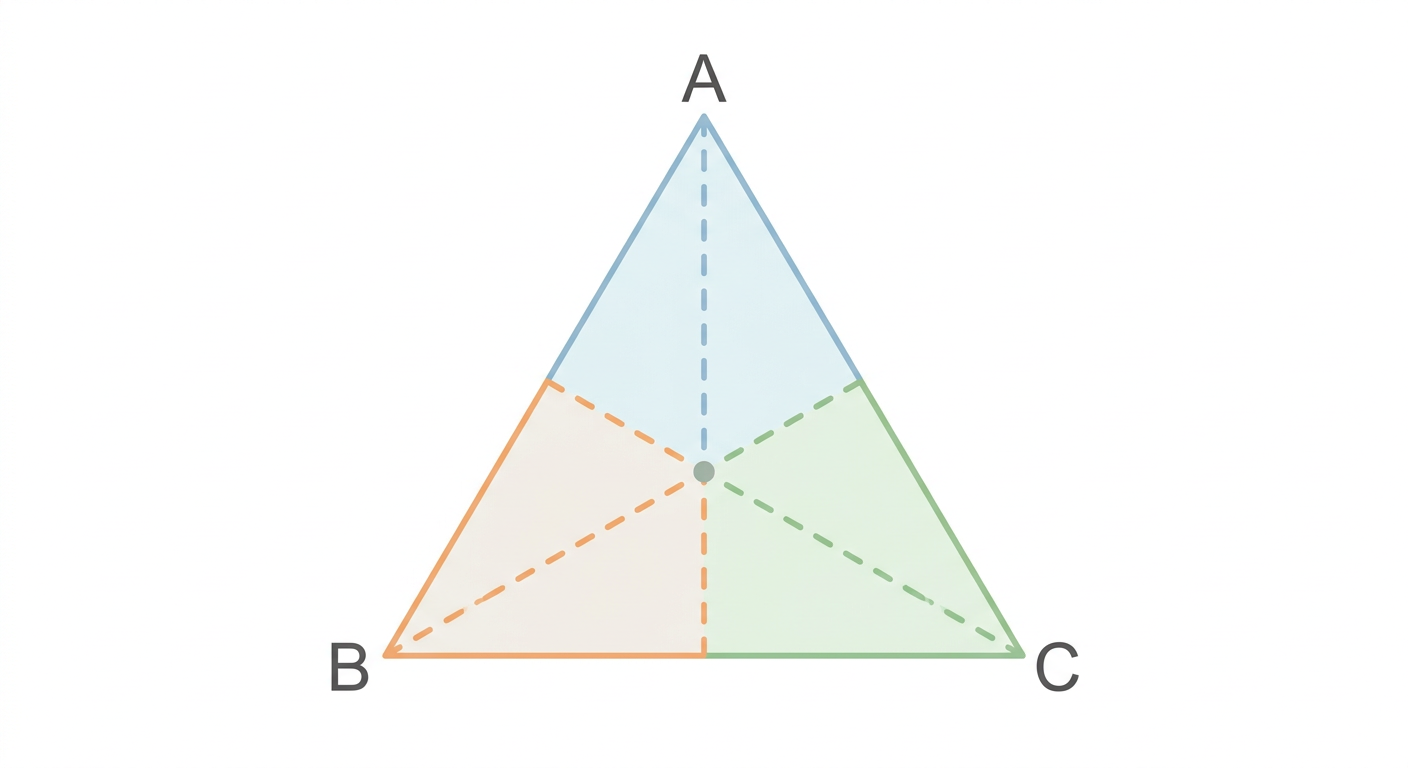
We need a triangle with at least two lines of symmetry. We also need at least two angles of symmetry. An equilateral triangle has all sides equal. It has 3 lines of symmetry. It looks the same if we turn it by 120 degrees. It also looks the same if we turn it by 240 degrees. And it looks the same if we turn it by 360 degrees. So, it has 3 angles of symmetry. This triangle fits all the rules.
Step 2 — Triangle with one line of symmetry
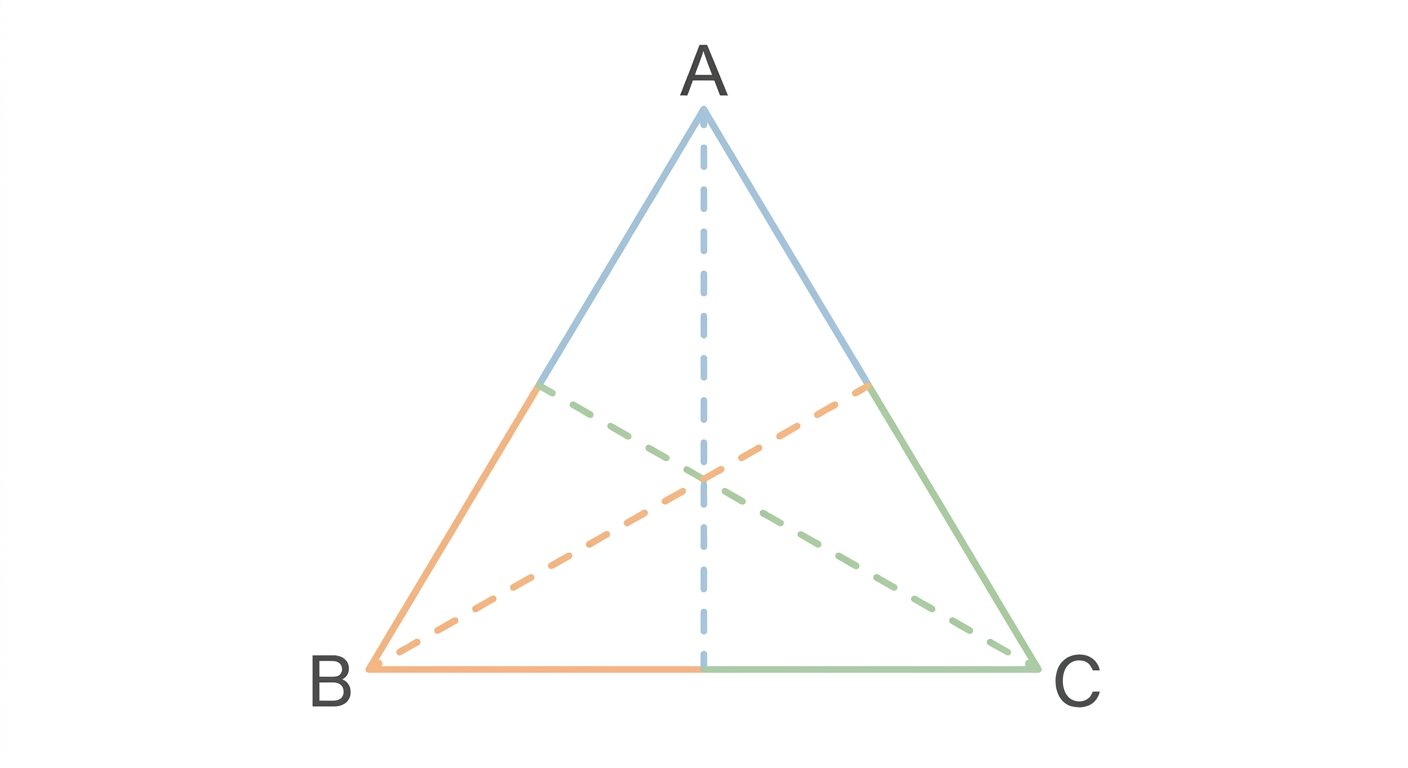
We need a triangle with only one line of symmetry. It must not have rotational symmetry (other than turning it a full 360 degrees). An isosceles triangle has two sides equal. It has exactly 1 line of symmetry. This line goes from the top corner to the middle of the base. If we turn it less than a full circle, it does not look the same. So, it has no rotational symmetry (other than 360 degrees). This triangle fits all the rules.
Step 3 — Quadrilateral with rotational symmetry only
We need a four-sided shape with rotational symmetry. But it must have no reflection symmetry (no lines of symmetry). A parallelogram has opposite sides parallel. If it is not a rectangle or a rhombus, it has no lines of symmetry. But we can turn it by 180 degrees, and it looks the same. This means it has rotational symmetry of order 2. This shape fits all the rules.
Step 4 — Quadrilateral with reflection symmetry only
We need a four-sided shape with reflection symmetry. But it must not have rotational symmetry (other than turning it a full 360 degrees). An isosceles trapezoid has one pair of parallel sides. Its non-parallel sides are equal. It has exactly 1 line of symmetry. This line goes through the middle of the parallel sides. If we turn it less than a full circle, it does not look the same. A kite has two pairs of equal-length sides that are next to each other. It also has exactly 1 line of symmetry. It also has no rotational symmetry (other than 360 degrees). Both these shapes fit all the rules.
Answer
(a) An equilateral triangle has 3 lines of symmetry and 3 angles of symmetry (which is at least two). (b) An isosceles triangle has exactly 1 line of symmetry but no rotational symmetry (other than 360°). (c) A parallelogram (which is not a rectangle or rhombus) has rotational symmetry of order 2 but no lines of symmetry. (d) An isosceles trapezoid or a kite has reflection symmetry but no rotational symmetry (other than 360°).
More questions in FIO
Do you see any line of symmetry in the figures at the start of the chapter? What about in the picture of the cloud?
For each of the following figures, identify the line(s) of symmetry if it exists.
Punching Game
The fold is a line of symmetry. Punch holes at different locations of a folded square sheet of paper using a punching machine and create different symmetric patterns.
In each of the following figures, a hole was punched in a folded square sheet of paper and then the paper was unfolded. Identify the line along which the paper was folded. Figure (d) was created by punching a single hole. How was the paper folded?
Given the line(s) of symmetry, find the other hole(s):
Here are some questions on paper cutting. Consider a vertical fold. We represent it this way:
Vertical Fold
Similarly, a horizontal fold is represented as follows:
Horizontal Fold
After each of the following cuts, predict the shape of the hole when the paper is opened. After you have made your prediction, make the cutouts and verify your answer.
Trace each figure and draw the lines of symmetry, if any:
Copy the following on a dot grid. For each figure draw two more lines to make a shape that has a line of symmetry.
Find the angles of symmetry for the given figures about the point marked •.
(a) (b) (c)
Which of the following figures have more than one angle of symmetry?
Give the order of rotational symmetry for each figure:
Colour the sectors of the circle below so that the figure has:
(i) 3 angles of symmetry
(ii) 4 angles of symmetry
(iii) What are the possible numbers of angles of symmetry you can obtain by colouring the sectors in different ways?
Draw two figures other than a circle and a square that have both reflection symmetry and rotational symmetry.
Draw, wherever possible, a rough sketch of:
a. A triangle with at least two lines of symmetry and at least two angles of symmetry.
b. A triangle with only one line of symmetry but not having rotational symmetry.
c. A quadrilateral with rotational symmetry but no reflection symmetry.
d. A quadrilateral with reflection symmetry but not having rotational symmetry.
In a figure, 60° is the smallest angle of symmetry. What are the other angles of symmetry of this figure?
In a figure, 60° is an angle of symmetry. The figure has two angles of symmetry less than 60°. What is its smallest angle of symmetry?
Can we have a figure with rotational symmetry whose smallest angle of symmetry is:
a. 45°?
b. 17°?